
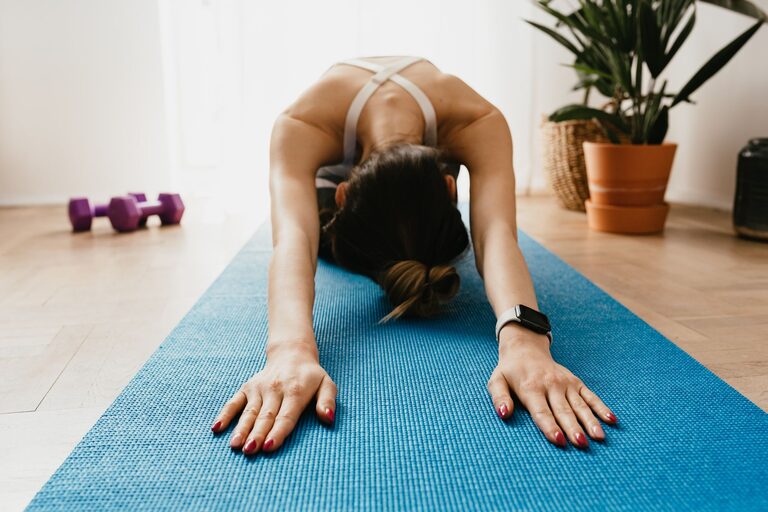
Stretching is an essential part of a healthy lifestyle. It helps improve flexibility, reduces muscle tension, and can even enhance your posture and circulation. The good news is that you don’t need a gym, special equipment, or a lot of time to start stretching. With just a few simple moves, you can build a routine right at home that fits your schedule and goals.
This beginner’s guide will walk you through the benefits of stretching, basic techniques, and easy stretches you can do daily. Whether you want to warm up before exercise or wind down after a long day, stretching can be a great addition to your routine.
Why Stretching Matters
Stretching offers many benefits beyond just feeling loose. Some of the advantages include:
– Improved flexibility: Regular stretching helps lengthen muscles, making movements easier.
– Reduced muscle tension: Stretching can relieve tightness caused by sitting or repetitive activities.
– Better posture: Stretching tight muscles can help align your body and reduce discomfort.
– Injury prevention: Warm-up stretches prepare muscles for activity, lowering the risk of strains.
– Enhanced blood flow: Stretching promotes circulation, which aids recovery and overall health.
– Stress relief: Gentle stretching can be calming and reduce physical and mental stress.
Getting Started with Stretching at Home
Create a Comfortable Space
Choose a quiet place with enough room to move freely. Use a yoga mat or soft carpet for comfort. Wear comfortable clothing that allows a full range of motion.
Set Aside Time
Aim for 10 to 20 minutes a day. Consistency is key, so try to stretch at the same time each day, such as in the morning or before bed.
Warm Up First
Before stretching, do light activity for 3 to 5 minutes—like walking in place or gentle arm swings—to warm your muscles and reduce injury risk.
Use Proper Technique
– Move slowly into each stretch without bouncing.
– Hold each stretch for 15 to 30 seconds.
– Breathe deeply and avoid holding your breath.
– Stop if you feel sharp pain; mild tension is normal but pain means you should ease up.
Basic Stretches for Beginners
Here are some simple stretches that target major muscle groups. Perform each one gently and gradually increase your range of motion over time.
Neck Stretch
– Sit or stand tall with shoulders relaxed.
– Slowly tilt your head toward your right shoulder until you feel a stretch on the left side of your neck.
– Hold, then return to center.
– Repeat on the left side.
Shoulder Stretch
– Bring your right arm across your chest at shoulder height.
– Use your left hand to gently pull your right arm closer to your chest.
– Hold, then switch arms.
Chest Opener
– Clasp your hands behind your back.
– Straighten your arms and gently lift your chest while squeezing the shoulder blades together.
– Hold and breathe deeply.
Seated Forward Fold
– Sit on the floor with legs extended straight in front.
– Slowly bend at the hips, reaching your hands toward your feet.
– Keep your back straight and only go as far as comfortable.
– Hold and breathe.
Cat-Cow Stretch (for spine flexibility)
– Start on your hands and knees.
– Inhale, arch your back, lifting your head and tailbone (cow pose).
– Exhale, round your spine, tucking your chin and pelvis (cat pose).
– Repeat slowly 5–10 times.
Hamstring Stretch
– Sit on the floor with one leg extended and the other bent with the sole of the foot against the inner thigh.
– Lean forward from the hips toward the extended leg.
– Hold, then switch legs.
Calf Stretch
– Stand facing a wall with hands placed at shoulder height.
– Step one foot back, keeping it flat on the floor.
– Bend the front knee and press your back heel down.
– Hold, then switch legs.
Tips to Stay Motivated
– Set small goals: Start with just a few stretches and slowly add more.
– Use reminders: Set alarms or notes to keep your stretching routine consistent.
– Combine with other activities: Stretch after walking, yoga, or light exercise.
– Track progress: Notice improvements in flexibility or reduced tension.
– Stay patient: Flexibility builds over time, so give your body time to adjust.
When to Avoid Stretching
Avoid stretching cold muscles without warming them up first. If you have an existing injury or medical condition, check with a healthcare provider before starting a new stretching routine.
Conclusion
Starting a stretching routine at home is simple and beneficial. By dedicating a few minutes daily, you can improve your flexibility, reduce discomfort, and promote relaxation. Remember to listen to your body, use proper technique, and enjoy the process of becoming more limber and comfortable in your own skin.
Give these beginner stretches a try and experience the positive difference stretching can make in your daily life!