
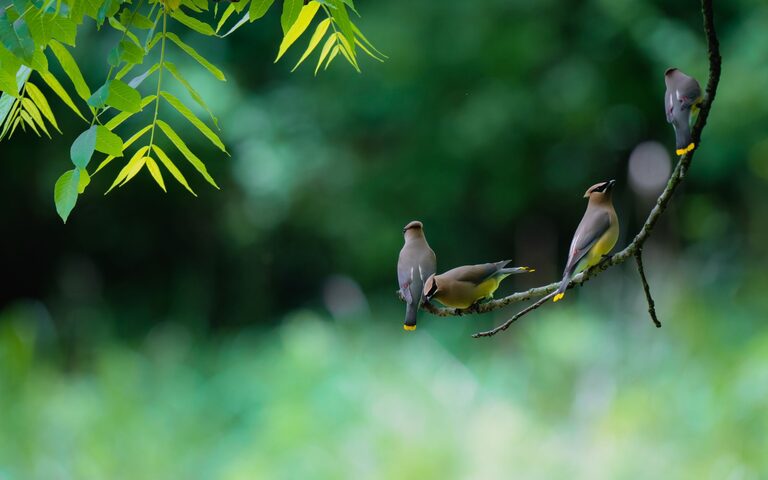
Birdwatching is a rewarding and relaxing hobby that anyone can enjoy right from their backyard. Whether you live in the city or the countryside, watching birds can help you connect with nature, reduce stress, and learn about the wildlife around you. If you’re new to birdwatching, don’t worry—getting started is easy with a few simple tips. This guide will help you set up your backyard for birdwatching, identify common species, and enjoy the experience fully.
Why Backyard Birdwatching?
Birdwatching in your own backyard offers several advantages:
– Convenience: No need to travel far to see interesting birds.
– Relaxation: Spending time observing birds can improve your mood and reduce anxiety.
– Learning opportunity: You can improve your knowledge of local birds and their behaviors.
– Family-friendly: It’s an activity everyone can enjoy, from children to grandparents.
Setting Up Your Backyard for Birdwatching
Creating an inviting environment for birds will increase your chances of seeing diverse species.
1. Provide Food
Birds visit where there is a reliable food source. Here are common options:
– Bird feeders: There are many types, such as tube feeders for seeds, suet cages for energy-rich suet, and nectar feeders for hummingbirds.
– Natural food: Plant native trees, shrubs, and flowers that produce berries, seeds, or nectar.
– Avoid processed foods: Stick to bird-specific foods like black oil sunflower seeds, millet, and mealworms.
2. Offer Water Sources
Birds need fresh water for drinking and bathing. You can:
– Use a birdbath or shallow dish filled with water.
– Keep the water clean and refill it regularly.
– Add a small fountain or dripper to create moving water—a great attractant.
3. Create Shelter and Nesting Spots
Birds seek safe places to rest and raise their young. Try:
– Planting dense shrubs and trees for cover.
– Installing birdhouses suited to local species.
– Leaving leaf litter or brush piles for ground feeders.
Essential Gear for Beginner Birdwatchers
While binoculars and a field guide are helpful, you don’t need expensive equipment right away.
– Binoculars: Choose a lightweight pair with a magnification of 6x to 8x for clear views.
– Field guide or app: Use a bird identification book or smartphone app to learn species by sight and sound.
– Notebook: Keep a journal of your sightings, notes, and sketches.
– Camera (optional): A simple camera or smartphone can capture photos for reference.
Tips for Successful Birdwatching
1. Be Patient and Quiet
Birds are wary of sudden movements and loud noises. Find a comfortable spot and stay still. Avoid talking loudly and sudden gestures.
2. Observe at Different Times
Bird activity varies throughout the day. Early morning and late afternoon are often the best times to watch birds feeding and interacting.
3. Learn Bird Behaviors
Understanding behaviors like feeding, singing, and preening can make watching birds more enjoyable and informative.
4. Keep a Respectful Distance
Use binoculars to enjoy close views without disturbing the birds. Avoid touching nests or feeding birds by hand unless you’re experienced.
Common Backyard Birds to Watch For
Depending on your region, you may see common backyard birds such as:
– Northern Cardinal
– American Robin
– Blue Jay
– Mourning Dove
– House Finch
– Chickadees
– Sparrows
– Hummingbirds
Try to identify birds by their shape, color, song, and behavior. Apps like Merlin Bird ID can help with quick identification.
Seasonal Birdwatching Changes
Different species visit or behave differently depending on the season.
– Spring: Many birds build nests and raise chicks.
– Summer: You may see fledglings learning to fly.
– Fall: Migration season brings new species passing through.
– Winter: Some birds stay year-round; others move to warmer areas.
Adjust your feeders and water sources accordingly to support birds through seasonal changes.
Getting the Whole Family Involved
Birdwatching is a great way to bond with others. You can:
– Set up a bird feeding station together.
– Teach kids to listen to bird songs and spot different colors.
– Plan simple bird-related crafts or games.
– Join local birdwatching clubs or community science projects.
Conclusion
Backyard birdwatching is a wonderful way to appreciate the natural world nearby. With a little preparation and patience, you’ll soon enjoy watching a variety of birds visit your yard. Remember, the goal is to relax, observe carefully, and learn something new each day. Happy birdwatching!